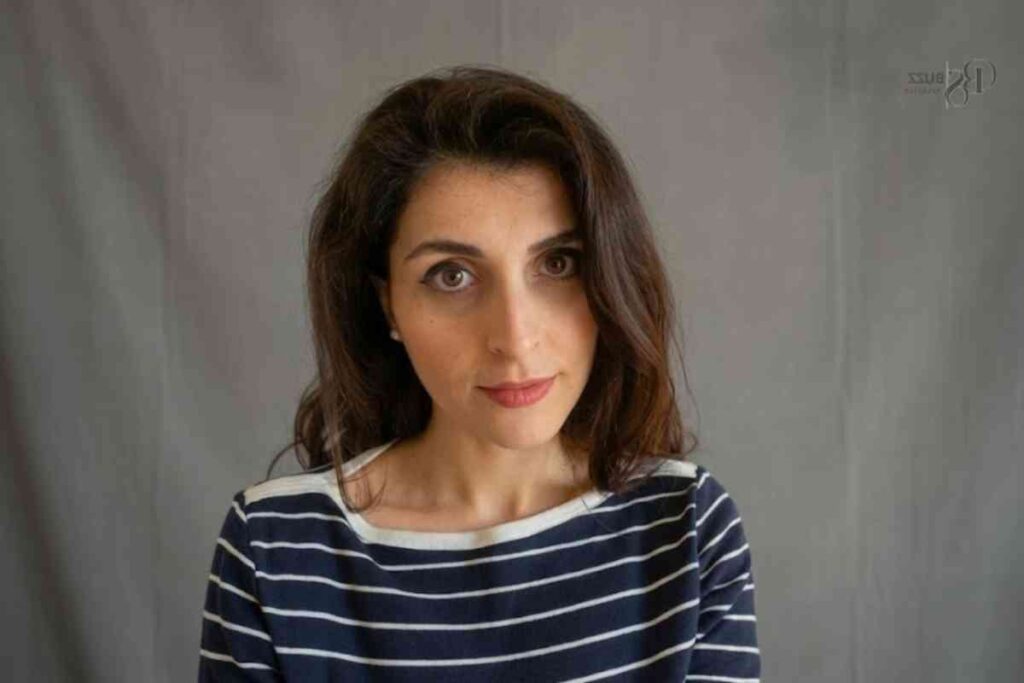

Naira Kuzmich was an Armenian-American writer whose work continues to matter, even years after her passing. She earned an MFA in Creative Writing, wrote deeply personal fiction and essays, and left behind stories that still feel honest and alive.
This article looks at who she was, where her MFA fits into her journey, and why readers, students, and writers still search her name today. No academic overload, just clear, human storytelling.
Who Was Naira Kuzmich?
Naira Kuzmich was born in 1988 in Yerevan, Armenia, and raised in Los Angeles. She grew up in Little Armenia, surrounded by language, tradition, and close-knit family life.
She was a fiction writer and essayist whose work focused on everyday people, especially Armenian-American women and families. Her writing stood out because it felt lived-in. Nothing sounded distant or polished for effect. It felt real.
Her voice mattered because she wrote about identity without explaining it away. She trusted the reader to feel it.
Naira Kuzmich’s MFA in Creative Writing
Naira Kuzmich earned her MFA in Creative Writing from Arizona State University in 2013. Her focus was fiction.
During her MFA, she refined a style that was simple on the surface but emotionally sharp underneath. The program gave her space to shape personal experience into structured stories without losing honesty.
While at ASU, she also:
- Taught writing courses
- Worked as an editor for Hayden’s Ferry Review
- Published stories in respected literary journals
This period marked her shift from emerging writer to recognized literary voice. Her MFA wasn’t just a credential. It was a turning point.
Cultural Roots and Personal Influence
Kuzmich’s Armenian heritage was central to her work. Family stories, especially those passed down by women, shaped many of her characters and scenes.
She wrote about:
- Mothers and daughters
- Grandmothers and inherited memory
- Tradition clashing with modern life
- The quiet pressure of belonging
These themes felt authentic because they came from lived experience, not observation from a distance.
Writing Style and Core Themes
Naira Kuzmich’s writing style was direct and clear. She avoided unnecessary language and trusted small moments to carry meaning.
Common themes in her work include:
- Identity and belonging
- Family and intergenerational memory
- Illness and mortality
- Humor mixed with grief
Even when writing about cancer or loss, her work often carried warmth. Pain existed, but so did laughter and resilience.
Major Literary Works
Short Fiction
Her most recognized short story, “The Kingsley Drive Chorus,” explores Armenian-American mothers and sons with empathy and quiet strength. It later appeared in The O. Henry Prize Stories.
Her fiction mattered because it centered voices often left at the edges of American literature.
Essays and Memoir
Her essays blend personal memory with cultural reflection. She wrote about names, food, language, and illness in ways that felt intimate without being sentimental.
Readers often describe her essays as honest conversations rather than performances.
Awards, Recognition, and Critical Response
Kuzmich gained major recognition when her work was included in The O. Henry Prize Stories 2015. Her writing also appeared in well-known literary journals such as Guernica, Ecotone, and The Massachusetts Review.
Critics often highlighted her emotional clarity and restraint. She didn’t push feelings onto the page. She let them arrive naturally.
Posthumous Publications
In Everything I See Your Hand (2022)
This posthumous short story collection brings together many of her most powerful works. It reflects on family, memory, and the pull of cultural roots.
The collection helped introduce her writing to new readers and confirmed her lasting importance.
Fearcatcher (forthcoming)
Fearcatcher is her first novel, completed before her death. Set in Soviet Armenia, it blends realism with folklore and explores fate, family, and rebellion.
The novel is highly anticipated because it shows a different side of her storytelling while staying true to her voice.
Why Naira Kuzmich Still Matters
Naira Kuzmich matters because she wrote without pretending. Her work is often studied in:
- MFA programs
- Armenian-American literature courses
- Creative writing discussions
Readers still search her name because her stories feel human. They don’t age quickly. They stay relevant.
Legacy and Lasting Impact
Her work continues to be read, taught, and shared. Writers often point to her as an example of how to write personal stories without losing discipline.
Her voice feels timeless because it avoids trends. It focuses on people, memory, and truth.
Quick Facts About Naira Kuzmich
- Education: MFA in Creative Writing, Arizona State University
- Genres: Literary fiction, personal essays
- Focus: Armenian-American identity, family, illness
- Notable Works: “The Kingsley Drive Chorus,” In Everything I See Your Hand
- Recognition: O. Henry Prize Stories 2015
Conclusion
Naira Kuzmich’s career was short, but her impact was lasting. Through her MFA training and personal voice, she created stories that still resonate with readers today.
Her work reminds us that literature doesn’t need to be loud to be powerful. It just needs to be true.
FAQs About Naira Kuzmich MFA
Where did Naira Kuzmich earn her MFA?
Naira Kuzmich earned her MFA in Creative Writing from Arizona State University. This program played an important role in shaping her voice as a serious literary writer.
What was her MFA focus?
Her MFA focus was fiction, where she worked on character-driven stories. During this time, she developed a clear, emotional style rooted in real-life experiences.
Why is she important in literature?
She is important because her writing gives an honest and intimate view of Armenian-American family life. Her work blends culture, memory, and emotion in a way that still resonates with readers.
Is Fearcatcher published?
Fearcatcher is a posthumous novel that was completed before her passing. It is expected to be published and is already viewed as a significant work in her literary legacy.
What themes define her work?
Her writing often focuses on identity, family relationships, illness, and cultural memory. These themes are handled with warmth, subtle humor, and emotional clarity.