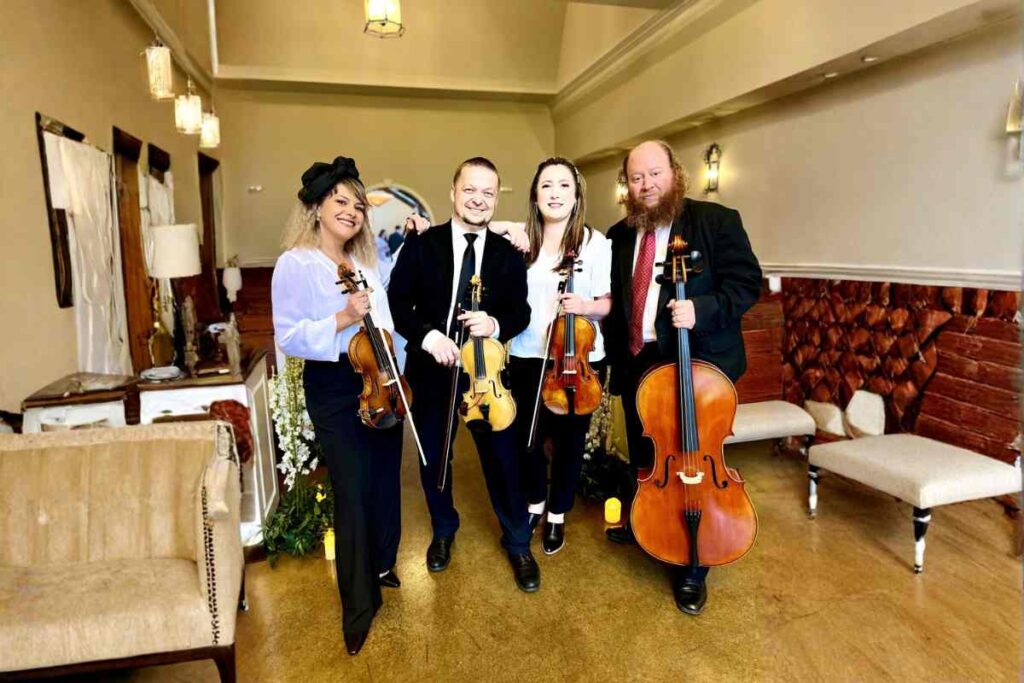

If you’ve ever searched for Keyreel online, you might have wondered about the connection to Kirill Raskolenko. Many people are confused: are they the same person, or are they two different musicians? Understanding this distinction is important, especially for fans of fiddle music and classical violin.
In this article, we’ll break down the connection between Keyreel and Kirill Raskolenko, explore his musical journey, and explain why the name Keyreel has gained recognition among music enthusiasts.
Quick Answer: Are Keyreel and Kirill Raskolenko the Same Person?
Yes, Keyreel and Kirill Raskolenko are the same person. The key difference is that Keyreel is a stage name, while Kirill Raskolenko is his real name.
The stage name Keyreel comes from an English-friendly pronunciation of Kirill, making it easier for international audiences to remember. While Kirill is used in official contexts, Keyreel is the name that appears in performances, online videos, and social media. Understanding this distinction clears up the confusion for those searching for his music or following his career.
Who Is Kirill Raskolenko?
Early Life and Musical Background
Kirill Raskolenko is a classically trained violinist from Russia. From a young age, he was immersed in formal music education, learning the foundations of violin, music theory, and performance. His classical training provided a strong technical base that allowed him to explore other styles with ease.
Journey Into Fiddle Music
While classically trained, Kirill developed a fascination with Cape Breton fiddling, a style rooted in Scottish-Canadian traditions. Unlike formal lessons, he learned this style primarily by watching YouTube videos, listening to recordings, and practicing independently. His journey shows how digital resources can transform learning for passionate musicians.
Musical Style and Influences
Kirill’s style is a blend of classical precision and folk expressiveness. The combination of technical skills with emotive playing makes his performances stand out. Influences range from Russian classical violinists to Canadian fiddlers, creating a unique sound that resonates with audiences worldwide.
What Is “Keyreel”?
Meaning Behind the Name
The name Keyreel is an English approximation of Kirill’s first name. Non-Russian speakers often struggle with pronouncing “Kirill,” so adopting Keyreel made his music more accessible globally. It’s not just a nickname; it’s a brand identity that represents his online and performance persona.
Why Musicians Use Stage Names
Stage names are common in music for several reasons:
- Easier pronunciation for international audiences
- Branding and marketing purposes
- Creating a memorable identity
For Kirill, Keyreel serves as a recognizable persona that fans can associate with his fiddle performances and online content.
How the Name Became Popular Online
As Kirill began posting performances online, especially videos of Cape Breton-style fiddle music, the name Keyreel gained recognition. The name appeared in social media posts, YouTube videos, and online festivals, gradually becoming the identity fans associate with his musical career.
Difference Between Keyreel and Kirill Raskolenko
| Aspect | Keyreel | Kirill Raskolenko |
|---|---|---|
| Name Type | Stage name / online identity | Real name |
| Usage | Used in performances and online content | Used in formal and personal contexts |
| Recognition | Known among fiddle music fans | Official identity |
| Purpose | Branding and easier pronunciation | Personal identity |
This table helps readers quickly grasp the distinction, clearing up confusion for anyone trying to follow his music.
Why the Name “Keyreel” Confuses Many People
Many fans search for Keyreel without knowing it’s the same person as Kirill Raskolenko. Common reasons for confusion include:
- Different spelling: Keyreel is not an obvious derivative of Kirill for non-Russian speakers.
- Online branding: His videos and social media channels consistently use Keyreel.
- International audiences: People outside Russia may have never seen his real name in formal contexts.
Understanding these factors explains why users often search for “difference between Keyreel and Kirill Raskolenko connected.”
Kirill Raskolenko’s Unique Musical Style
Blending Classical Violin With Fiddle Music
Kirill combines classical violin techniques with the rhythm and ornamentation of Cape Breton fiddling. This fusion allows him to maintain technical precision while expressing the emotive storytelling that fiddle music demands.
Cape Breton Fiddle Influence
Cape Breton fiddle music originates from Scottish immigrants in Nova Scotia. It’s characterized by:
- Strong rhythmic drive
- Use of ornamentation such as grace notes and cuts
- Unique bowing patterns
Kirill’s mastery of this style demonstrates his dedication and versatility as a musician. It’s rare for someone trained in classical violin to capture this folk style authentically.
The Five-String Fiddle He Uses
Kirill often plays a five-string fiddle, which differs from the standard four-string violin:
- Extra string: Adds lower notes, increasing range
- Versatility: Helps blend classical and folk techniques
- Musical advantage: Allows richer harmonics and deeper expression in fiddle performances
This instrument choice contributes to his distinct sound and shows his attention to musical detail.
Performances and Musical Presence
Festival Performances
Kirill has performed at multiple music festivals, often accompanying other musicians like keyboardists. His live performances demonstrate both technical skill and emotional depth, earning him recognition among festival-goers.
Online Music Content
He regularly posts performances online, including YouTube videos of Cape Breton fiddle music. These clips help his global audience discover his music, and the name Keyreel is prominently featured.
Growing Global Audience
Through online platforms and festival performances, Kirill has reached fans worldwide. His story inspires aspiring musicians, showing that cultural and musical boundaries can be bridged through talent and dedication.
How He Learned Cape Breton Fiddle Style
Kirill’s approach to learning Cape Breton fiddle music is remarkable:
- Learning through YouTube: He analyzed videos, slowing down complex bowing and finger techniques.
- Self-study: Practiced rigorously at home, mimicking styles until mastered.
- Modern digital learning methods: Leveraged online tutorials and recordings for continuous improvement.
This self-directed learning demonstrates how musicians today can master new styles without traditional mentorship.
Why His Story Is Interesting in the Fiddle Music Community
Kirill’s journey stands out for several reasons:
- Cultural crossover: A Russian classically trained violinist excelling in Scottish-Canadian fiddle style
- Digital learning success: Learned an entire musical tradition through online resources
- Inspiration for others: Encourages young musicians to explore beyond their training
His story highlights how musical passion and modern technology can intersect to create unique artistry.
Common Misunderstandings About Keyreel
Some common myths include:
- Keyreel being a band: It is not; it’s Kirill’s solo persona.
- Keyreel being a different musician: Many assume this, but it’s just Kirill.
- Keyreel being a brand: While it functions as a brand name online, it’s directly tied to Kirill himself.
Clarifying these points reduces confusion for new fans.
Keyreel’s Influence on Modern Fiddle Enthusiasts
Keyreel’s performances have had a significant impact:
- Inspiring learners online: Young musicians study his videos for techniques and style.
- Globalizing niche music styles: Cape Breton fiddle, once regional, now reaches audiences worldwide.
- Encouraging digital self-learning: His success proves online resources can replace traditional lessons for motivated musicians.
Conclusion
In summary, Keyreel and Kirill Raskolenko are the same person. The difference lies in the name: Keyreel is his stage name, while Kirill is his real name. Understanding this connection helps fans navigate his music, follow performances, and appreciate his journey as a classically trained violinist mastering Cape Breton fiddle style.
Frequently Asked Questions
Is Keyreel the real name of Kirill Raskolenko?
No, Keyreel is a stage name derived from Kirill’s first name. It’s used for performances and online content, while Kirill Raskolenko is his official name.
Why does Kirill Raskolenko use the name Keyreel?
He uses Keyreel for easier pronunciation internationally and to create a recognizable identity online and during performances.
What type of violin does Keyreel play?
Keyreel plays a five-string fiddle, which provides an extended range and allows blending classical techniques with Cape Breton fiddle music.
What is Cape Breton fiddle music?
Cape Breton fiddle music is a Scottish-Canadian folk style. It’s characterized by rhythmic bowing, ornamentation, and a lively, storytelling approach.
Where can people listen to Keyreel’s music?
His music is available on YouTube, social media platforms, and festival recordings. Online videos help global audiences discover his work.
Is Keyreel active on YouTube or social media?
Yes, he frequently posts performance videos, practice sessions, and collaborations on YouTube, Instagram, and other platforms.
Does Keyreel perform internationally?
Yes, Keyreel has performed at various music festivals and online events worldwide, sharing his unique style with diverse audiences.
How did he learn Cape Breton fiddle style?
Kirill self-taught through YouTube videos, practicing diligently, and analyzing recordings. He used modern digital learning methods to master this folk style without formal mentorship.