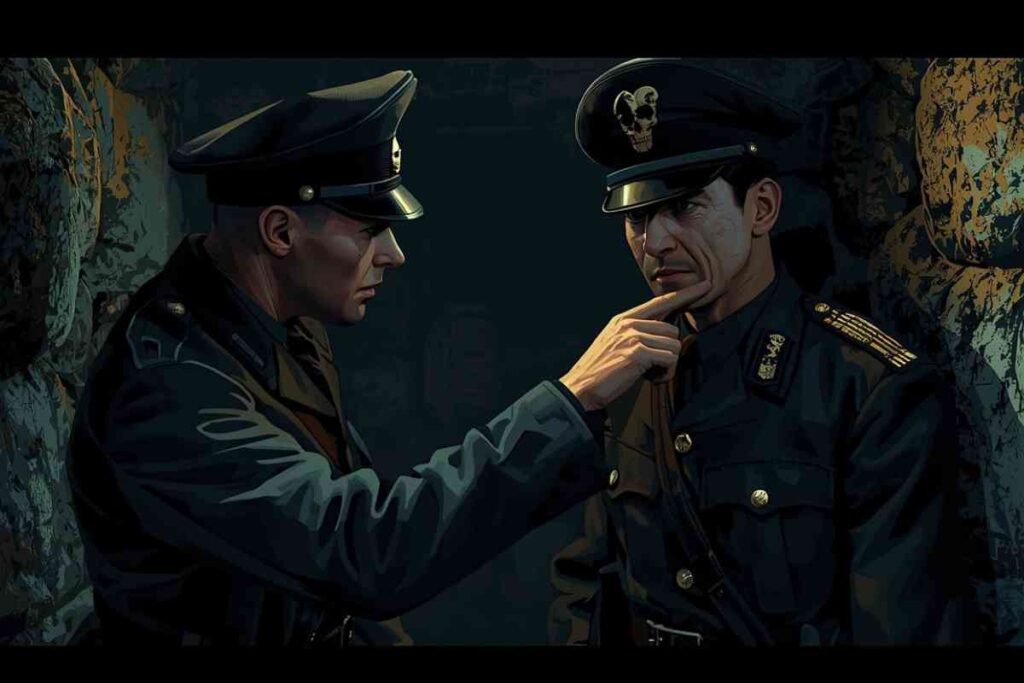

When people search for “nazi skull and bones glorious bastards are we the baddies”, they are usually trying to understand the connection between a famous comedy sketch and the disturbing symbolism used by the Nazis. The phrase often appears in discussions about the “Are We the Baddies?” scene, where two soldiers suddenly realize the symbols on their uniforms look evil.
This topic blends history, satire, and symbolism. On one side, there is the real historical use of the skull and bones symbol by Nazi units. On the other side, there is the satirical moment from the comedy show where characters question whether they might be the villains.
To really understand the phrase, we need to look at three things: the history of the Nazi skull symbol, the meaning behind the comedy sketch, and why the phrase “glorious bastards” sometimes appears in conversations around it.
Understanding the Nazi Skull and Bones Symbol
The skull and bones symbol, known in German as the Totenkopf, became closely linked with Nazi Germany during World War II. The symbol shows a human skull, often with crossed bones beneath it.
However, this image did not start with the Nazis.
Earlier Uses of the Symbol
The skull symbol existed in Europe long before the 20th century. It appeared in several contexts:
- Military insignia in Prussia
- Pirate imagery
- Memento mori art, which reminded people of death
In Prussian military history, elite cavalry units sometimes used skull imagery to represent fearlessness and loyalty until death.
But when the Nazis adopted the symbol, its meaning changed dramatically.
The Totenkopf in Nazi Germany
During the Nazi era, the Totenkopf symbol became associated with the SS (Schutzstaffel), particularly units responsible for guarding concentration camps.
These units were known as Totenkopfverbände, meaning “Death’s Head Units.” Their role included:
- Guarding concentration camps
- Enforcing brutal policies
- Supporting the Nazi regime’s oppressive system
Because of this history, the skull symbol now carries a deeply negative and disturbing historical meaning.
Today, it is widely recognized as a symbol connected to Nazi crimes and ideology.
The “Are We the Baddies?” Comedy Sketch
A big reason the phrase “nazi skull and bones glorious bastards are we the baddies” appears online is the viral comedy sketch called “Are We the Baddies?”
The sketch became extremely popular on the internet and is often quoted in memes and discussions.
The Premise of the Scene
In the sketch, two soldiers from Nazi Germany are talking casually while waiting for orders.
One of them suddenly notices something strange about their uniforms.
Their hats feature a large skull symbol.
The soldier begins questioning the symbolism. He says something like:
- Other armies use symbols like eagles or lions
- Their symbol is literally a skull
This leads to the uncomfortable realization that the symbol might make them look like the villains.
Why the Scene Became Famous
The sketch resonated with audiences because it highlights the absurdity of blindly following an ideology.
It also shows how symbols can reveal uncomfortable truths.
People share the scene online because it illustrates a simple but powerful idea:
Sometimes the signs of wrongdoing are obvious, but people ignore them until someone points them out.
Why “Glorious Bastards” Appears in Discussions
Another phrase often connected with this topic is “glorious bastards.”
This wording appears in different places online, including memes and discussions about war movies or satire.
Sometimes it appears as a humorous or ironic phrase when people talk about villains who believe they are heroes.
In many cases, it is used sarcastically to describe characters who see themselves as noble while others clearly see them as the antagonists.
This irony fits well with the theme of the “Are We the Baddies?” sketch.
How the Internet Turned the Phrase Into a Meme
The phrase “nazi skull and bones glorious bastards are we the baddies” became searchable largely because of internet culture.
When people discuss the sketch or post clips, they often include multiple related phrases together.
Over time, search engines pick up these combinations.
Meme Culture and Quotes
The internet loves short, memorable quotes.
The line “Are we the baddies?” is simple and powerful. It captures a sudden moment of moral awareness.
Memes often pair the quote with images of:
- Nazi uniforms with skull insignia
- Confused soldiers from the sketch
- Parodies of villains realizing their role
These memes are usually meant to highlight irony or hypocrisy.
Why the Skull Symbol Looked So Ominous
Part of what makes the sketch funny is how obvious the symbolism is.
A skull usually represents:
- Death
- Danger
- Mortality
In most cultures, it is not used as a heroic symbol.
That is why the character in the sketch becomes uneasy.
He compares their symbol to other armies that use animals or national emblems.
The contrast makes the realization unavoidable.
Satire as a Tool for Discussing History
The sketch works because it uses satire.
Satire allows writers and comedians to talk about serious topics through humor.
In this case, the humor exposes the logic gap in the soldiers’ thinking.
They had accepted their role without questioning it.
Only when they noticed the symbolism did they begin to reflect.
This moment mirrors a broader lesson about history and human behavior.
Why People Still Talk About This Scene Today
Even years after it aired, the “Are We the Baddies?” moment continues to spread online.
There are several reasons.
1. It’s Instantly Understandable
You do not need much historical knowledge to understand the joke.
The skull symbol alone tells the story.
2. It Highlights Moral Blindness
The scene shows how people can participate in harmful systems without questioning them.
This theme appears in many discussions about history and ethics.
3. It Works Perfectly as a Meme
The quote is short, memorable, and adaptable.
People use it to comment on many situations where someone suddenly realizes they might be wrong.
The Historical Reality Behind the Humor
While the sketch is funny, the real history behind the symbol is very serious.
The Nazi regime committed massive human rights abuses and atrocities during World War II.
Symbols like the Totenkopf became linked with those crimes.
Because of that history, the symbol is widely viewed today as offensive and extremist.
Many countries have laws restricting the display of Nazi symbols in public contexts.
Why Understanding Symbols Matters
Symbols play a powerful role in shaping identity and belief.
Uniforms, emblems, and flags can communicate messages instantly.
In the case of the Nazi skull symbol, the message was meant to show ruthlessness and loyalty to the regime.
But to outsiders, it looked openly sinister.
The comedy sketch cleverly points out that contradiction.
It shows how the symbol might have looked to someone who stepped back and really thought about it.
Cultural Influence of the Sketch
The popularity of the phrase “nazi skull and bones glorious bastards are we the baddies” shows how deeply the sketch influenced internet culture.
It has appeared in:
- Online discussions about propaganda
- Articles about satire and comedy
- Meme compilations
- Historical commentary
Many people now recognize the phrase instantly.
Even those who have not seen the full sketch often know the famous line.
The Lesson Behind the Joke
At its core, the joke asks a simple question:
How do people recognize when they are on the wrong side of history?
The soldier in the sketch notices the skull symbol and finally questions his role.
That moment of doubt drives the entire scene.
It reminds viewers that symbols and actions can reveal more than people expect.
Sometimes the signs are obvious.
People just need the courage to look at them honestly.
FAQ Section
What does the Nazi skull and bones symbol represent?
The skull and bones symbol used by Nazi forces is known as the Totenkopf. It was worn by certain SS units and became associated with concentration camp guards during World War II. Because of this history, the symbol now represents oppression and extremist ideology rather than the earlier military meanings it once had.
What is the “Are We the Baddies?” sketch about?
The “Are We the Baddies?” sketch is a famous comedy scene where two Nazi soldiers notice the skull symbol on their uniforms. One soldier begins questioning why their side uses such a sinister emblem. The conversation leads to the uncomfortable realization that their group might actually be the villains.
Why is the phrase “nazi skull and bones glorious bastards are we the baddies” searched online?
This phrase appears in search results because people often combine several references from memes, comedy sketches, and discussions about Nazi symbolism. Internet culture frequently merges phrases together when quoting or describing scenes, which can lead to unusual search queries.
Is the skull symbol only connected to Nazi history?
No, the skull symbol existed long before the Nazi era. It appeared in pirate imagery, European military units, and artistic traditions related to mortality. However, its use by Nazi SS units gave it a powerful and negative association that continues today.
Why did the “Are We the Baddies?” scene become so popular?
The scene became popular because it combines humor with a powerful realization. The soldier suddenly questions something that should have been obvious from the start. That moment of awareness makes the joke memorable and easy to share in memes and discussions.
What message does the sketch try to convey?
The sketch highlights how people sometimes follow systems or ideologies without questioning them. By focusing on something as simple as a uniform symbol, the scene shows how obvious signs can reveal deeper truths. It encourages viewers to think critically about authority, symbols, and moral responsibility.