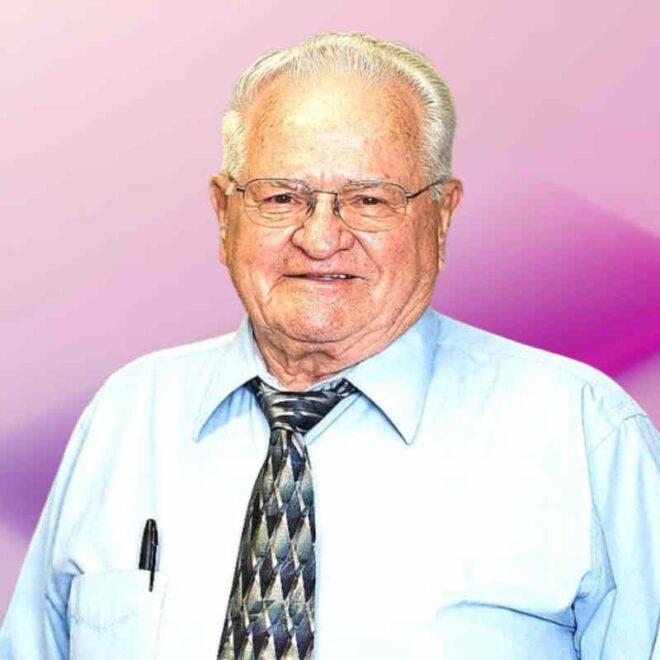

The story of Robert Clark San Bernardino is one that highlights decades of legal proceedings, evolving criminal justice reforms, and the complexities of parole decisions in California. Convicted in 1998 for second-degree murder and the fatal assault of a young child, Clark spent more than two decades navigating the prison system and pursuing legal relief. His case also illustrates the impact of California’s Senate Bill 1437, which reshaped felony-murder law and allowed inmates to petition for resentencing under certain circumstances.
Understanding his journey offers insight into California’s criminal justice system, parole considerations, and broader legal reforms.
Who is Robert Clark? Early Life and Background
Robert Clark, often referred to as Robert Earl Clark, lived in San Bernardino County, California, before his conviction. While many details of his early life remain private, court records indicate that he was an adult residing in the county at the time of the crime.
Information about his upbringing and social circumstances is limited, but it is known that Clark had a relatively ordinary background prior to the events that led to his criminal charges. By understanding the environment and context in which he lived, readers can better grasp the complexities surrounding his case and subsequent legal proceedings.
The Crime and Charges in San Bernardino
Overview of the Incident
In 1998, a tragic incident occurred involving the death of a child under the age of eight in San Bernardino County. Robert Clark was charged in connection with this event. Court documents indicate that the circumstances of the crime were severe, involving actions that led to the child’s death, prompting the legal system to charge him with serious offenses.
Charges Filed
Clark faced two major charges under California law:
- Second-degree murder (Penal Code §187(a)) – This charge involves the intentional killing of another person without premeditation, relying on implied malice rather than deliberate planning.
- Assault on a child under eight causing death (Penal Code §273ab(a)) – This charge addresses violent acts leading to serious harm or death for minors under the age of eight.
These charges reflected the gravity of the incident and carried long-term prison sentences under California law.
Legal Explanation of Implied Malice
One of the key aspects of Clark’s conviction was the concept of implied malice. Unlike first-degree murder, which requires premeditation and intent to kill, second-degree murder with implied malice occurs when a person engages in dangerous actions knowing they could cause death or serious harm.
Essentially, the law recognizes that while Clark may not have planned the murder in advance, his actions were reckless enough to result in the fatal outcome. Understanding implied malice is essential to grasp why his conviction remained intact despite later legal reforms in California.
The 1998 Trial and Conviction
Robert Clark’s trial took place in the San Bernardino County Superior Court, presided over by Judge Christopher S. Pallone. The jury reviewed the evidence, including testimonies, forensic findings, and legal arguments presented by the prosecution and defense.
After careful deliberation, the jury found Clark guilty of both second-degree murder and assault on a child causing death.
Sentencing Details
On July 23, 1998, Clark received a sentence of 25 years to life in state prison, making him eligible for parole only after serving the minimum term. He was assigned to the California Department of Corrections and Rehabilitation (CDCR), with the inmate number P15911, and was later held at Folsom State Prison, a high-security facility known for housing long-term inmates.
Robert Clark’s Legal Battles and California Justice Reforms
Introduction to SB 1437
In 2018, California passed Senate Bill 1437, a significant reform to the felony-murder law. Previously, individuals could be convicted of murder even if they did not directly commit the killing but were involved in the underlying felony. SB 1437 limited this rule, ensuring that only those directly responsible for a murder could face life sentences for felony-related deaths.
This reform created opportunities for certain inmates, including Robert Clark, to seek resentencing if their convictions were tied to the now-restricted legal theories.
Clark’s Resentencing Petition (2019)
On January 16, 2019, Clark filed a petition under SB 1437 to have his conviction reviewed. He argued that his case might have been affected by the revised felony-murder rules, which could allow him to request a reduced sentence or resentencing.
Trial Court Decision (2021)
The San Bernardino Superior Court reviewed Clark’s petition but ultimately denied it on September 21, 2021. The court concluded that his conviction relied on implied malice, a legal theory unaffected by SB 1437. In simpler terms, the reforms did not apply to his case because the jury’s verdict was based on valid legal grounds still recognized under California law.
Appeal Court Decision (2023)
Clark appealed the denial, bringing the case before the California Court of Appeal. On January 25, 2023, the appellate court affirmed the trial court’s decision. The court confirmed that the felony-murder reforms were not relevant to his conviction, ensuring that his original sentence remained intact.
Custody, Prison Life, and Folsom State Prison
Throughout the legal proceedings, Robert Clark remained in the California prison system. He spent significant time at Folsom State Prison, a maximum-security facility known for housing inmates serving long-term sentences for violent crimes.
Clark’s CDCR inmate ID, P15911, allowed officials to track his prison records, behavior, and rehabilitation efforts. While specific details about his daily life in custody are limited, the prison system’s focus on rehabilitation and behavioral assessments played a role in later parole considerations.
Parole Consideration and Grant
How Parole Works in California
In California, inmates serving 25-years-to-life sentences may become eligible for parole after completing the minimum required term. The parole board considers multiple factors, including:
- The nature and severity of the original crime
- Behavior while incarcerated
- Evidence of rehabilitation and remorse
- Risk to public safety if released
These assessments help ensure that only those deemed suitable for reintegration into society are granted conditional release.
Clark’s Parole Hearing Timeline
Robert Clark’s parole journey involved multiple evaluations over decades. The table below summarizes the key events:
| Year | Event | Details |
|---|---|---|
| 1998 | Conviction | Second-degree murder; assault on child under 8 |
| 1998 | Sentencing | 25 years to life; CDCR ID P15911 |
| 2019 | Resentencing Petition | Filed under SB 1437 |
| 2021 | Trial Court | Petition denied |
| 2023 | Court of Appeal | Denial affirmed |
| 2024 | Parole | Board grants parole |
Parole Outcome (2024)
On January 10, 2024, the California Board of Parole Hearings granted Clark parole. This decision confirmed that, after serving the minimum portion of his sentence, he met the legal criteria for conditional release. While administrative steps may follow before actual release, the parole grant marked a major milestone in Clark’s legal and rehabilitation journey.
Why Robert Clark’s Case Matters
Robert Clark’s case is more than an individual story; it reflects broader trends in California’s criminal justice system:
- Felony-murder reform impact – SB 1437 allows inmates to seek relief, but Clark’s case shows the limits of its reach.
- Parole considerations for long-term inmates – His parole grant illustrates the evaluation process for individuals who have spent decades in custody.
- Legal precedent – The case reinforces the continuing relevance of implied malice convictions despite legislative reforms.
By studying his journey, legal professionals, policymakers, and the public gain insight into California’s evolving justice landscape.
Frequently Asked Questions
What crimes was Robert Clark convicted of?
Robert Clark was convicted of second-degree murder under Penal Code §187(a) and assault on a child under eight causing death under Penal Code §273ab(a). Both charges reflected the seriousness of the incident and resulted in a long-term sentence.
Was his conviction overturned or modified?
No. Clark’s original conviction was upheld. His 2019 petition seeking relief under California Senate Bill 1437 was denied by the trial court and later affirmed by the appellate court in 2023.
Where has Robert Clark been incarcerated?
Clark has spent time in several California correctional facilities but is best known for being housed at Folsom State Prison, a maximum-security institution. His prison records reflect standard assessments and behavioral tracking.
What is Robert Clark’s inmate ID number?
His CDCR inmate identification number is P15911, which is used for tracking custody, legal records, and rehabilitation progress.
Has Robert Clark been granted parole?
Yes. In January 2024, the California Board of Parole Hearings granted him parole. This made him eligible for conditional release after completing the minimum required term of his sentence.
How does California’s SB 1437 affect cases like his?
SB 1437 limits the application of the felony-murder rule, allowing eligible inmates to petition for resentencing. In Clark’s case, the reforms did not apply because his conviction relied on implied malice, which remains valid under California law.
What factors does the parole board consider for long-term inmates?
The board reviews the original crime, prison behavior, rehabilitation efforts, and potential risk to public safety. These factors help determine whether an inmate is suitable for release after serving their minimum sentence.
When will Clark be released after parole grant?
While the parole board granted him conditional release, administrative procedures must still occur before his actual release. The exact date depends on processing and completion of required parole conditions.
Conclusion
The case of Robert Clark San Bernardino demonstrates the complexities of criminal justice, long-term incarceration, and parole considerations in California. Convicted in 1998 for second-degree murder and assault leading to the death of a child, Clark navigated decades of legal proceedings, including petitions under SB 1437, appeals, and parole hearings.
His story illustrates both the limitations and impact of California’s criminal justice reforms, providing insight into how the legal system evaluates cases, applies new laws, and balances rehabilitation with public safety. For residents, legal professionals, and policymakers, Clark’s case remains a significant example of how long-term sentences intersect with evolving legislation and parole procedures.