
Organic traffic no longer grows the same way it did a few years ago. Search engines now rely heavily on artificial intelligence to understand queries, evaluate content and generate answers directly on the results page.
At the same time platforms such as ChatGPT Gemini and other large language models influence how users discover information. In this environment traditional SEO alone is not enough. Businesses that rely only on keyword rankings often see declining click-through rates.
Meanwhile organizations that use AI search optimization tools gain a clear advantage. These tools analyze search intent, identify content gaps, optimize structure and monitor visibility across both traditional search results and AI-generated answers.
When used strategically AI SEO tools help websites attract more relevant traffic, improve search visibility and strengthen authority in competitive search results.
Why Is Organic Traffic Changing in the AI Search Era?
Artificial intelligence has reshaped how search engines deliver information. Instead of simply ranking pages by keywords and backlinks, modern search algorithms evaluate context expertise and relevance.
Generative search experiences now summarize answers directly inside the results page. AI systems scan multiple sources, extract the most relevant passages and present them as concise responses.
This process reduces the number of traditional website visits but increases the importance of being cited as a trusted source. User behavior has also evolved.
People ask conversational questions expect instant answers and interact with search tools in a more natural way. AI systems respond by retrieving information that clearly addresses those questions.
Because of this shift SEO strategies now focus on visibility across multiple discovery channels rather than rankings alone. Websites that structure their content clearly demonstrate expertise and align with search intent earn more citations and ultimately capture higher quality organic traffic.
The Rise of Zero Click Searches and AI Overviews
Zero click searches occur when a search engine answers a question directly on the results page without requiring the user to visit another site. Featured snippets started this trend years ago but AI generated summaries have accelerated it dramatically.
AI overviews now appear for many informational queries. These summaries combine information from several websites to produce a concise explanation. When the answer appears immediately users often do not click further.
However this shift does not eliminate organic traffic. Instead it changes where visibility happens. Websites cited within AI summaries often gain strong authority signals and receive more targeted visits from users who want deeper information.
For this reason SEO strategies increasingly focus on becoming a trusted source within AI generated answers rather than relying only on traditional ranking positions.
What Are AI Search Optimization Tools?
AI search optimization tools are software platforms that use machine learning and natural language processing to improve search visibility. Unlike traditional SEO tools that rely mainly on keyword data, AI tools analyze large volumes of information to understand how search engines interpret content.
These tools support multiple aspects of SEO work including keyword research content optimization technical audits and competitor analysis. Many platforms also monitor how frequently a website appears in AI answers, brand mentions and citations.
Modern AI SEO tools typically assist with:
- discovering relevant keywords and search intent
- analyzing top ranking pages
- identifying content gaps and topic clusters
- improving readability and semantic coverage
- auditing technical SEO factors
- monitoring visibility across search engines and AI platforms
By automating these processes AI tools allow marketers to focus more on strategy and high quality content creation.
How AI SEO Tools Analyze Search Intent and Keywords
Understanding search intent remains the foundation of successful SEO. AI powered tools process massive datasets to determine what users actually want when they search for a particular query.
Instead of focusing only on exact keywords these systems analyze:
- natural language patterns
- related questions
- semantic keyword clusters
- user behavior signals
- conversational search queries
For example a query such as best project management software might generate related topics like productivity tools, team collaboration platforms and workflow automation. AI tools identify these relationships and recommend topic clusters that fully cover the subject.
This semantic analysis helps websites create comprehensive content that aligns with how modern search engines interpret language.
Real Time Content Optimization With AI Tools
Many AI SEO platforms now provide real time content optimization while writers create articles. The tool evaluates the text against top ranking pages and suggests improvements instantly.
Common recommendations include:
- missing subtopics related to the query
- semantic keyword variations
- improved readability and clarity
- stronger topic coverage
These insights help writers address user questions more thoroughly. When content answers a topic completely and clearly search engines recognize it as more useful.
As a result well optimized pages often gain higher visibility in both organic rankings and AI generated answers.
How AI Search Optimization Tools Improve Content Structure?
Content structure has become increasingly important in the era of generative search. AI systems extract information by identifying clear sections that answer specific questions.
AI tools help improve structure by analyzing elements such as:
- heading hierarchy
- paragraph clarity
- question based sections
- bullet point summaries
A well structured page allows search engines and AI systems to understand the context quickly. This improves the chances of the content being referenced in featured snippets, knowledge panels or AI summaries.
Clear structure also benefits readers. Visitors can scan the information easily and find answers without confusion.
AI Tools Help Identify Content Gaps and Ranking Opportunities
Content gaps occur when a website covers a topic partially but misses important related questions. AI SEO tools analyze competitor content and highlight these gaps.
The process usually includes:
- evaluating top ranking pages
- identifying missing subtopics
- detecting underserved keyword clusters
- discovering new search opportunities
For example an article about digital marketing might discuss SEO and social media but overlook voice search optimization. AI analysis reveals this missing topic and suggests expanding the article to address it.
When websites consistently fill these gaps they become more comprehensive resources. Search engines reward that depth with improved visibility and increased organic traffic.
Predicting Search Trends With AI
Another advantage of AI driven SEO tools is predictive analysis. Machine learning models examine historical search patterns and detect emerging trends before they peak.
This allows marketers to create content early around topics that will soon gain popularity.
Examples include:
- seasonal searches related to travel or holidays
- new technology trends
- emerging consumer interests
Publishing content before competitors recognize these trends often results in stronger rankings and higher organic visibility.
How AI Tools Improve Technical SEO?
Technical SEO ensures that search engines can crawl, interpret and index a website efficiently. AI powered tools simplify technical audits by scanning large websites quickly and identifying issues that may affect rankings.
These tools commonly evaluate:
- site speed and performance
- mobile responsiveness
- broken links
- duplicate content
- structured data implementation
Structured data such as schema markup plays a key role in helping search engines understand context. When implemented correctly it improves eligibility for rich results and AI summaries.
By resolving technical issues early websites create a stronger foundation for long term search performance.
AI Powered Link Building and Authority Growth
Backlinks remain one of the strongest signals of authority in search algorithms. AI tools help streamline link building by analyzing the backlink profiles of competitors and identifying high quality opportunities.
Typical features include:
- authority analysis of linking domains
- detection of broken link opportunities
- recommendations for relevant websites that may link to new content
Some tools also analyze online discussions forums and review platforms to uncover places where a brand could be mentioned.
As websites earn more credible references from authoritative sources their reputation improves in the eyes of both search engines and AI systems.
Optimizing Content for AI Overviews and Generative Search
Generative search platforms select sources that provide clear concise answers supported by credible information. Content that performs well in these environments usually follows several principles.
Effective optimization includes:
- answering questions directly
- using descriptive headings
- supporting claims with reliable information
- maintaining a neutral and informative tone
AI systems prioritize content that demonstrates expertise and clarity. When articles explain complex topics in simple language and provide structured information they become more likely to appear in AI generated responses.
This visibility strengthens brand recognition and can drive targeted organic traffic from users seeking deeper insights.
The Role of Experience Expertise Authority and Trust
Search engines and AI systems rely heavily on credibility signals when selecting information sources. Content that demonstrates experience, expertise , authority and trust consistently performs better.
Strong credibility signals include:
- author expertise or professional background
- references to reliable sources
- detailed explanations supported by evidence
- consistent topical authority across a website
When readers trust the information and other websites reference it, search engines interpret that as a strong quality signal.
Over time this reputation helps content appear more frequently in search results and AI generated answers.
How AI Tools Measure SEO Performance and Traffic Growth?
Traditional SEO metrics such as rankings and click through rates still matter but AI driven search introduces additional indicators of visibility.
Modern analytics tools now track metrics such as:
- citations within AI generated answers
- brand mentions across multiple platforms
- share of voice compared with competitors
- AI influenced traffic from conversational search tools
Monitoring these signals helps businesses understand how their content performs across both traditional search engines and emerging AI platforms.
AI Search Traffic vs. Traditional Organic Traffic
Traffic from AI driven search behaves differently from traditional organic visits. The total number of visits may be lower because many queries receive instant answers.
However the visitors who do click through often show stronger intent. They have already reviewed summarized information and now seek deeper insights or solutions.
This means AI referred traffic often results in:
- higher engagement
- longer session duration
- stronger conversion potential
Businesses that focus on useful content rather than simple keyword rankings often benefit most from this shift.
Best Practices for Using AI Tools to Increase Organic Traffic
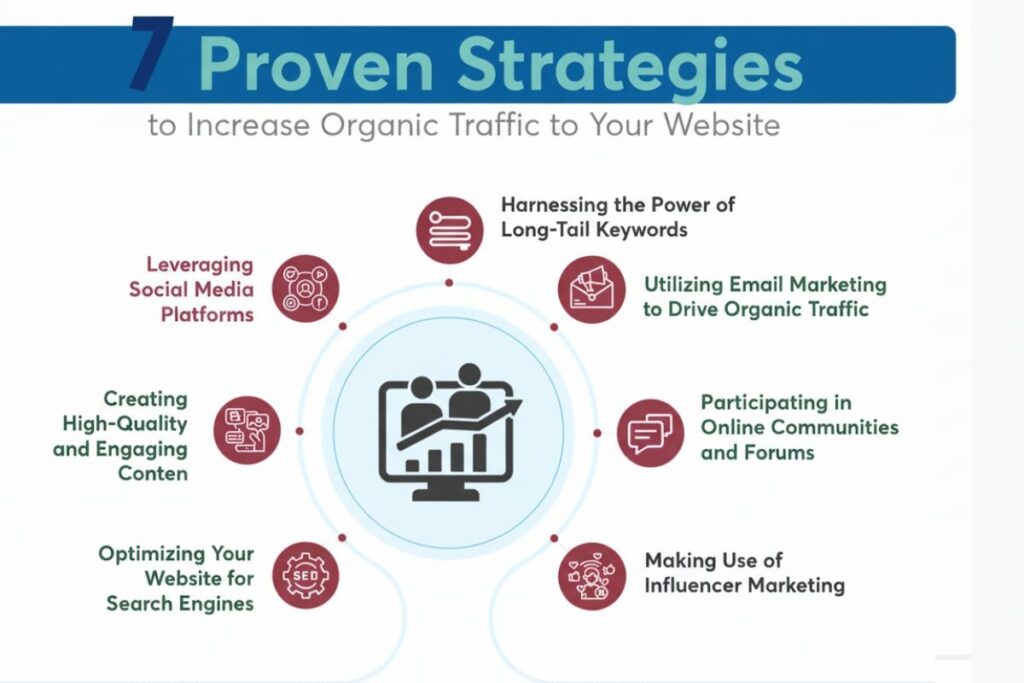
Successful SEO strategies combine the analytical power of AI with human expertise.
Some effective practices include:
- focusing on user intent rather than keyword density
- structuring articles with clear headings and concise explanations
- publishing authoritative content that demonstrates expertise
- updating existing content with new data and insights
- using AI tools for research and optimization while maintaining human editorial oversight
When applied consistently these practices help websites build long term authority and attract sustainable organic traffic.
Future of SEO With AI Search Optimization Tools
Search will continue evolving as artificial intelligence improves. Generative search platforms will become more sophisticated, conversational interfaces will expand and users will rely increasingly on AI powered discovery.
In this environment successful websites will not simply chase rankings. Instead they will focus on becoming trusted sources of information across multiple platforms.
AI search optimization tools will play a central role in that strategy by analyzing data at scale, identifying opportunities and helping businesses create content that genuinely helps users.
Conclusion
Artificial intelligence has transformed how people search and how search engines evaluate content. While zero click searches and AI summaries have changed traffic patterns they have also created new opportunities for websites that adapt.
AI search optimization tools provide the insights needed to understand search intent, optimize content structure, discover ranking opportunities and monitor visibility across modern search platforms.
When combined with high quality human expertise these tools help businesses produce authoritative content that earns citations, builds trust and ultimately drives meaningful organic traffic growth.
FAQs
Can AI search optimization tools improve traffic for new websites?
Yes AI SEO tools help new websites identify underserved topics and trending keywords before competitors. They provide guidance on content structure, internal linking and relevance signals. This early optimization can accelerate organic visibility even without an established domain authority.
How do AI tools help optimize for voice search?
AI tools analyze natural language and conversational queries which are key for voice search. They suggest content phrasing and FAQ structures that match how people speak. Optimizing for voice queries increases the chances of appearing in smart assistant responses and AI summaries.
Can AI tools predict which content will attract backlinks?
Yes AI platforms can identify content topics likely to earn citations and external references. By analyzing competitor backlink patterns and engagement signals they guide content creation. This improves authority and drives referral traffic alongside organic search growth.
How do AI SEO tools integrate with social media signals?
AI tools track brand mentions, shares and engagement across social platforms to gauge content relevance. They recommend optimizations to align social performance with search visibility. This synergy enhances organic traffic by boosting both discovery and credibility signals.
Are AI search optimization tools effective for multilingual SEO?
Absolutely many AI tools support multiple languages and regional search patterns. They analyze keyword intent semantic clusters and cultural context in different languages. This ensures content ranks effectively across global markets increasing international organic traffic.