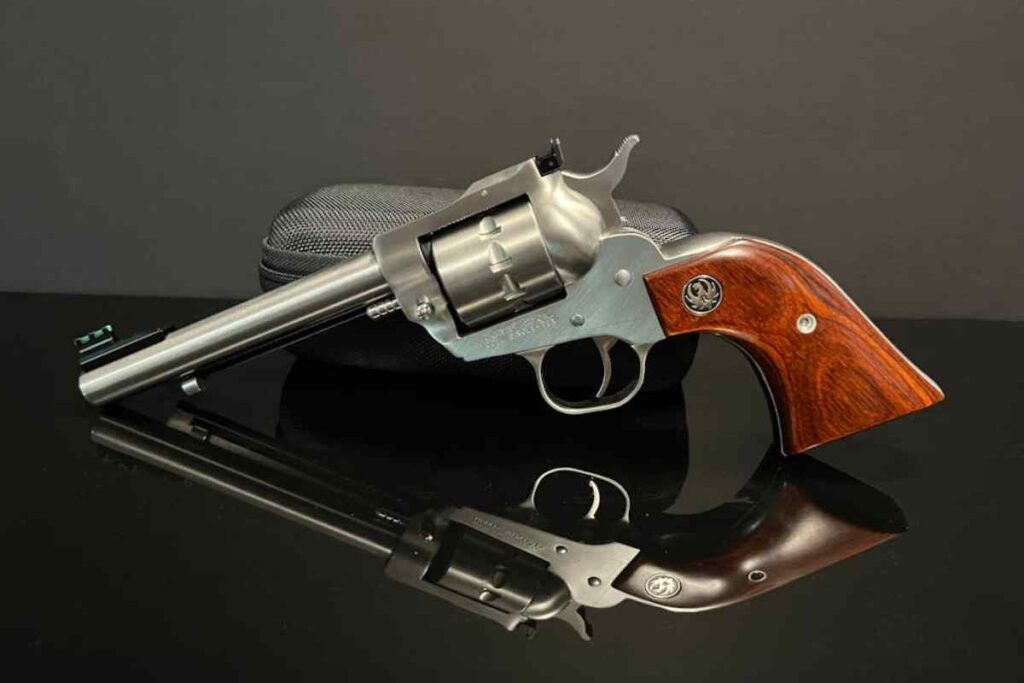

Firearm malfunctions often stem from preventable maintenance oversights, yet many owners underestimate the direct link between routine care and operational safety. A weapon’s reliability depends not only on quality manufacturing but on consistent cleaning, thorough inspections, and proper storage protocols that address corrosion, debris accumulation, and component wear. Understanding which maintenance tasks require immediate attention versus scheduled intervals can mean the difference between dependable performance and dangerous failures at critical moments.
Why Proper Firearm Maintenance Is Critical for Safety and Reliability
While many firearm owners focus on marksmanship and handling techniques, regular maintenance forms the foundation of safe and reliable operation. Neglected firearms accumulate residue, moisture, and debris that compromise mechanical function and accuracy.
Carbon buildup from fired rounds creates friction in moving parts, potentially causing failures to feed, extract, or eject. Rust and corrosion weaken structural integrity, increasing the risk of catastrophic malfunction during discharge.
Proper maintenance extends firearm lifespan while ensuring consistent performance when needed most. Clean firearms cycle ammunition reliably, reducing the likelihood of dangerous malfunctions in critical situations.
Regular inspection identifies worn components before failure occurs, preventing accidents caused by broken parts. Lubrication reduces wear on contact surfaces, maintaining precise tolerances necessary for safe operation.
Ultimately, disciplined maintenance practices protect both the shooter and bystanders from preventable mechanical failures.
Safe Handling Practices Before Cleaning or Inspecting Any Firearm
Before beginning any cleaning or inspection procedure, the shooter must verify the firearm is completely unloaded. Remove the magazine first, then lock the action open and visually inspect the chamber. Physical verification by inserting a finger into the chamber provides additional confirmation.
Point the muzzle in a safe direction throughout this process, preferably toward a dedicated clearing barrel or designated safe area. After confirming the firearm is unloaded, remove all ammunition from the workspace. This eliminates any possibility of accidental loading during maintenance.
Keep the action open while gathering cleaning supplies and tools. Maintain proper muzzle discipline even with an unloaded firearm, as this reinforces safe handling habits. Work in adequate lighting to clearly observe the firearm’s condition and identify potential issues requiring attention.
Routine Cleaning Steps to Reduce Wear and Prevent Malfunctions
Regular cleaning maintains firearm reliability and extends component life by removing fouling, residue, and moisture that accumulate during use.
Owners should disassemble the firearm according to manufacturer specifications, ensuring all components are separated for thorough cleaning. A bore brush and solvent remove powder residue and copper deposits from the barrel, followed by clean patches until they emerge without discoloration.
Carbon buildup on the bolt, breech face, and action requires scrubbing with appropriate brushes and cleaning solutions. After cleaning, all metal surfaces need light lubrication to prevent corrosion and reduce friction between moving parts. Excessive oil attracts dirt and causes malfunctions, so minimal application is essential. Once reassembled, function testing verifies proper operation.
Inspecting Components for Damage, Corrosion, or Performance Issues
Beyond routine cleaning, systematic component inspection identifies wear patterns, structural defects, and corrosion that compromise firearm safety and function.
Owners should examine the barrel for bulges, obstructions, or erosion that affect accuracy and pressure containment. The breech face, extractor, and ejector require inspection for cracks or deformation that cause feeding failures. Springs lose tension over time, necessitating replacement when compressed length or recoil behavior changes noticeably.
Trigger mechanisms demand careful scrutiny for worn sears or inconsistent pull weight that creates dangerous conditions. Frame rails and slide contact points show wear through metal displacement or unusual friction patterns.
Corrosion appears as pitting, discoloration, or surface roughness, particularly in concealed-carry firearms exposed to perspiration. Gas systems in semi-automatic rifles accumulate carbon deposits that restrict operation.
Documentation of inspection findings establishes maintenance schedules and replacement intervals for critical components.
Maintaining Vintage Revolver Parts Kits for Consistent Function Over Time
Vintage revolver parts kits present unique preservation challenges due to discontinued manufacturing tolerances, material compositions, and heat-treatment processes that differ from modern standards.
Owners should catalog all components with detailed photographs and measurements to establish baseline specifications. Original finishes require specialized cleaning agents that won’t strip period-correct blueing or case-hardening.
Springs manufactured decades ago may exhibit metal fatigue invisible to casual inspection, necessitating regular compression testing. Storing parts in controlled humidity environments prevents oxidation of bare metal surfaces.
When replacing worn components, sourcing period-appropriate materials maintains functional integrity rather than mixing modern alloys with vintage steel. Documentation of serial numbers and manufacturer markings aids authentication and preserves historical value.
Regular function testing without live ammunition identifies timing issues, cylinder gap changes, or lockwork deterioration before catastrophic failure occurs.
Secure Storage Practices to Prevent Accidents and Unauthorized Access
Proper firearm storage requires multiple layers of security that address both accidental discharge risks and unauthorized access by children, visitors, or potential thieves.
Gun safes with biometric or combination locks provide the most reliable primary storage, preventing unauthorized handling while allowing quick access for authorized users. Trigger locks and cable locks add secondary security during transport or temporary storage.
Firearms should always be stored unloaded, with ammunition kept in a separate locked container. Quick-access safes mounted beside beds balance security with emergency accessibility.
Gun owners must assess their household circumstances, including the presence of children or at-risk individuals, when selecting storage solutions. Regular testing of locking mechanisms guarantees continued reliability, while maintaining awareness of who knows storage locations prevents security compromises.
When to Seek Professional Support for Repairs and Safety Checks
Even with diligent maintenance and proper storage, firearms eventually require expert evaluation to guarantee continued safe operation. Owners should consult certified gunsmiths when experiencing feeding failures, misfires, or unusual sounds during operation.
Annual safety inspections prove essential for firearms used regularly, while those stored long-term benefit from evaluation before reactivation. Modification installations, including trigger adjustments or sight replacements, require qualified technicians to prevent compromising weapon integrity.
Warning signs necessitating professional attention include inconsistent accuracy, difficulty operating safety mechanisms, or unusual recoil patterns. Attempting complex repairs without proper training risks creating dangerous malfunctions.
Qualified armorers possess specialized tools and knowledge to identify potential failures before they cause accidents, ensuring firearms remain reliable and safe.