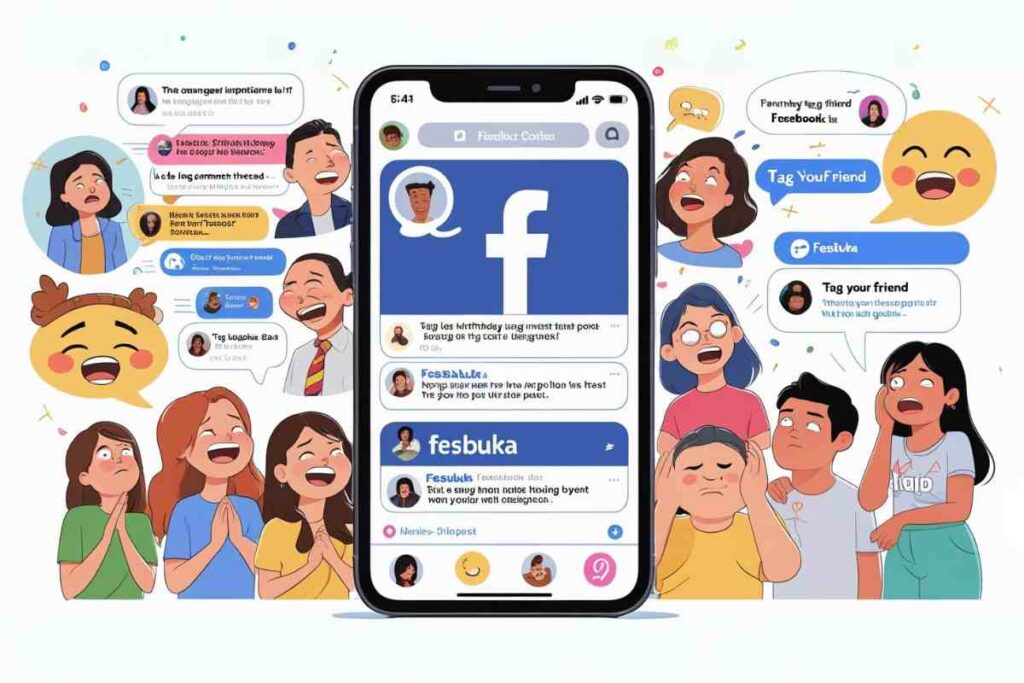

In today’s internet world, words and slang can spread like wildfire. One such term is Fesbuka, a playful and humorous twist on “Facebook.”
But what does Fesbuka really mean, and why are so many people using it online? Keep reading to learn how this simple slang word reflects our everyday digital behavior in a fun and relatable way.
What Is Fesbuka and Why Do People Say It?
Fesbuka is a slang or phonetic version of the word Facebook. It’s often used in a funny or sarcastic way to describe the platform or the way people behave on it.
The name Fesbuka comes from how some non-English speakers pronounce Facebook, especially in parts of Europe and Asia. Over time, this nickname became popular on social media and meme pages.
Instead of just meaning the app itself, It now often represents the culture, habits, and funny stereotypes linked to how people use Facebook.
How the Word Fesbuka Started
The term Fesbuka comes from the way English words sound when spoken with a local accent or in other languages. In some Slavic or Balkan languages, Facebook sounds more like Facwe or Fejsbuk.
At first, it was just a different way to say the word. But as memes and humor pages grew, the word took on a new meaning. It began to reflect a specific kind of Facebook user, the one who shares too much, posts strange memes, or argues in the comments.
Using Fesbuka became a way to laugh at these common behaviors in a friendly, joking way.
Fesbuka Culture: What Makes It So Relatable
Over time, Fesbuka has become a symbol of how people behave on Facebook. It highlights habits that many users see every day and often laugh about.
Common Fesbuka Behaviors:
- Oversharing everything: Posting daily photos of food, pets, or even small life updates.
- Endless birthday posts: Tagging dozens of friends with generic birthday greetings.
- Fighting in comments: Long debates over politics, news, or even personal opinions.
- Fake inspirational quotes: Posting deep quotes with unrelated backgrounds.
- “Tag your friend” games: Chain posts asking people to tag 10 friends or answer silly questions.
All these actions are part of what many now call Fesbuka behavior. It’s both funny and strangely true.
Why Fesbuka Is More Than Just a Joke
While it started as a joke, “Fesbuka” now represents a shared online experience. It captures the reality of how Facebook is used by many people across the world.
Some users love Facebook for staying connected with friends and family. Others get annoyed by too much drama, spammy content, or fake news. Fesbuka touches on all these things with a lighthearted approach.
It lets people talk about the downsides of Facebook without sounding too serious. It adds humor to things we all notice but rarely discuss.
Who Uses the Word Fesbuka and Where?
Fesbuka is mostly used in places where English is not the first language. It’s common in Eastern Europe, Southeast Asia, and immigrant communities who mix English with their native tongue.
Content creators, meme pages, and influencers often use the word to make jokes about Facebook habits. It’s a quick, catchy term that says a lot with just one word.
And because the word sounds fun and relatable, more people are picking it up in everyday conversations online.
Is Fesbuka a Positive or Negative Term?
Fesbuka isn’t necessarily a bad word. It depends on how it’s used.
Sometimes it’s a loving nickname for a platform that helps people stay connected. Other times, it’s used to point out silly or outdated habits.
But in most cases, it’s just playful. It brings humor to social media and lets people laugh at themselves without being mean.
How Fesbuka Reflects Real Online Behavior
What makes Fesbuka powerful is how true it feels. Many of us have seen the types of posts or behaviors it describes.
When someone talks about Fesbuka moments, we immediately think of:
- A relative posting daily chain messages
- A friend sharing a blurry selfie with deep quotes
- Endless comments arguing over news articles
These patterns are not unique to one country or age group. That’s why Fesbuka resonates with so many people around the world.
What Makes Fesbuka Popular in Memes and Humor
Memes are a big reason why Fesbuka has become so well known. Meme pages use the word to describe the older side of Facebook, the part filled with outdated trends, awkward posts, and family oversharing.
By turning it into a meme, people can talk about these habits in a way that’s funny and not too serious.
Why the Word Fesbuka Is Still Trending
Even as platforms like Instagram and TikTok grow, Facebook still has a massive user base. And with that, It stays alive too.
As long as people keep:
- Sharing old-school posts
- Posting dramatic quotes
- Writing long updates
It will remain a fun and honest way to talk about it.
It’s likely that more slang terms like this will pop up in the future, as people continue to reshape how we talk about tech and culture.
Final Thoughts
Fesbuka isn’t just another internet word. It shows how language evolves, how humor spreads, and how people adapt online.
Whether you find it funny, cringe-worthy, or relatable, It reflects a real part of how we use social media today.
It’s a term full of personality, and it reminds us not to take everything online too seriously. After all, the internet is not just for scrolling, it’s also for laughing.
FAQs
Are younger users familiar with the term, or is it mainly older generations?
Most users familiar with the term are those who have used Facebook for a long time. However, younger users often encounter it through memes and online jokes, especially on platforms like Instagram and TikTok.
Does the term carry the same meaning in different countries?
The core idea remains the same highlighting certain Facebook behaviors, but the way it’s used can vary slightly depending on local culture, humor styles, and language pronunciation.
Can other social media platforms have their own funny nicknames like this?
Yes! Similar playful terms exist for platforms like Instagram (“Insta”) and TikTok (“TikToku” in some regions). It’s part of how online communities personalize their digital experiences.
Is there any connection between this term and Facebook’s recent name change to Meta?
Not directly. The term is more about user culture and humor than corporate branding. “Meta” refers to the company, while this slang refers to how people behave on the original platform.
Has the usage of the term declined or increased over time?
Usage tends to spike during viral meme trends or when nostalgic content about early Facebook days resurfaces. It’s not always constant, but it resurfaces often due to its relatability.