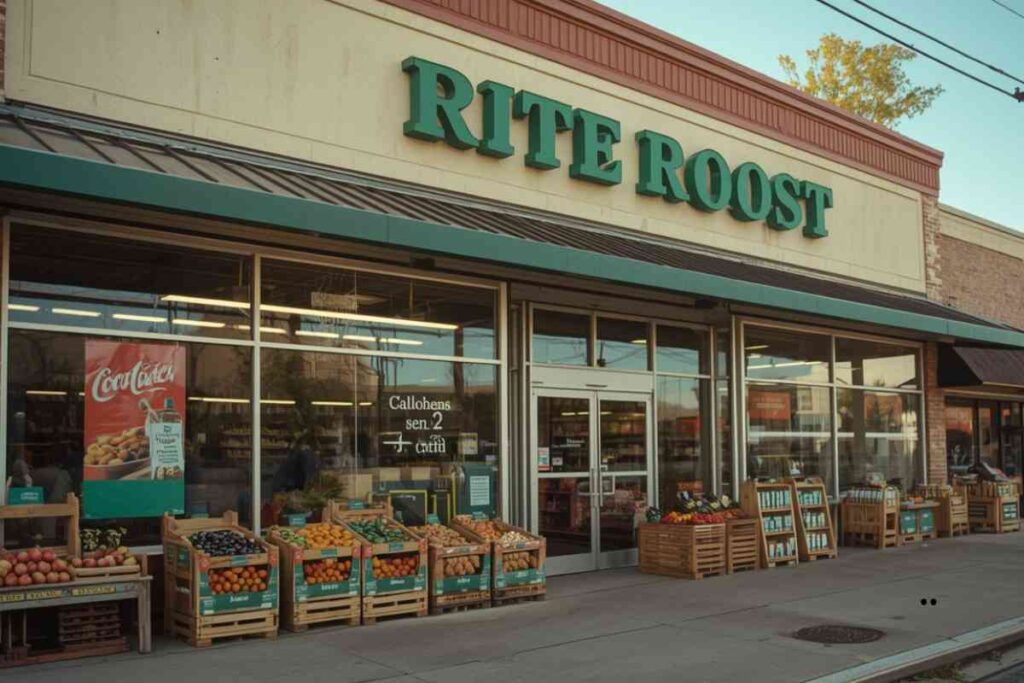

In recent years, many neighborhoods have witnessed the disappearance of familiar red-and-blue Rite Aid signs. For many residents, these stores were more than just pharmacies, they were a convenient stop for daily essentials. But as Rite Aid faced financial struggles and closed hundreds of locations, communities were left wondering what would fill the gap.
Enter local grocers. Across the country, regional and independent grocery chains are stepping in to acquire these vacant Rite Aid stores.
This trend isn’t just about business growth, it’s about revitalizing communities. From keeping pharmacies open for seniors to creating convenient one-stop shops, these acquisitions are reshaping local retail. In fact, the way local grocers acquire Rite Aid stores is becoming a model for blending essential healthcare services with community-focused grocery shopping.
Why Rite Aid Stores Are Closing
Rite Aid’s closures didn’t happen overnight. The company faced years of financial instability, burdened by debt from past acquisitions and costly lawsuits related to opioid prescriptions. On top of that, competition from online retailers and big-box pharmacies made it hard to keep up.
The result? Hundreds of stores shuttered, leaving behind “pharmacy deserts” in some neighborhoods. Seniors and people without reliable transportation suddenly lost easy access to essential medications. Beyond prescriptions, local shopping options were reduced, affecting daily convenience for many residents. The closures left communities facing both healthcare and lifestyle challenges.
Why Local Grocers Are Buying These Locations
Local grocers see opportunity where others see decline. Many Rite Aid stores are located on prime intersections, sometimes called “main and main” corners. These spots are highly visible, easily accessible, and already familiar to shoppers.
Moreover, the buildings often come with ready-made infrastructure: parking lots, wide entrances, and layouts suitable for retail. For grocers, converting these spaces into neighborhood markets is faster and more cost-effective than building new stores from scratch.
Comparison Table: Former Rite Aid vs. Local Grocer Conversion
| Feature | Former Rite Aid | Local Grocer Conversion | Benefit to Community |
|---|---|---|---|
| Store Size | ~12,000 sq ft | 8,000–10,000 sq ft | Cozier, easier to navigate |
| Pharmacy | Yes | Yes (with prescription transfer) | Continues essential service |
| Produce & Groceries | Limited | Fresh, local items | Healthier options |
| Parking | Standard | Standard/expanded | Convenience for shoppers |
| Atmosphere | Sterile | Community-focused, inviting | Enhanced shopping experience |
By maintaining the pharmacy while expanding grocery offerings, local grocers can create a true neighborhood hub. This combination attracts steady foot traffic and builds long-term customer loyalty.
Community Benefits of These Acquisitions
The impact of these takeovers goes beyond business growth. Local grocers keeping pharmacies open ensures seniors and others continue receiving vital medications without long commutes.
Additionally, shoppers often pick up groceries while visiting the pharmacy, increasing convenience and supporting local commerce. When local owners reinvest in the neighborhood, hiring nearby staff or sourcing products locally, money circulates within the community rather than leaving for corporate headquarters.
Some grocers even retain former Rite Aid employees, providing stability and preserving pharmacy expertise. This human touch strengthens community bonds while keeping essential services alive.
Operational Challenges for Local Grocers
Acquiring a Rite Aid store isn’t just about changing the sign. Many buildings need significant updates: refrigeration systems for fresh foods, expanded shelving, plumbing repairs, or roofing work.
Integrating pharmacy records and obtaining necessary licenses can also be complex. Grocers must ensure patient information transfers smoothly and comply with healthcare regulations.
Finally, local stores compete with giants like Walmart or Kroger. Success often depends on delivering high-quality products, boutique experiences, and personalized customer service, things larger chains sometimes overlook.
Financial & Business Perspective
From a business standpoint, buying an existing Rite Aid location can be smarter than starting from scratch. The initial investment is often lower than constructing a new building, and the location already has foot traffic.
Grocers benefit from a dual revenue model: prescription sales plus grocery purchases. Customers visiting for prescriptions often buy everyday essentials, creating consistent income. Over time, this synergy enhances return on investment and customer retention.
Customer Perspective
If you’re a customer, one of the first questions is likely about your prescriptions. Typically, local grocers acquire the prescription assets from Rite Aid, so your records transfer automatically. It’s still wise to confirm your insurance details with the new pharmacy.
Many local grocers also introduce loyalty programs, offering discounts or points for groceries and sometimes prescriptions. Shopping becomes more convenient with one-stop access to medications, fresh produce, and household essentials, saving time and effort.
Trends & Future Outlook
The trend of grocery-pharmacy hybrids is growing. Customers increasingly value convenience, high-quality products, and personal service over the “big-box” experience.
Local grocers acquiring Rite Aid locations could set a precedent for other chains. If successful, this model may expand to include other national pharmacy closures, further strengthening local economies. Supporting local businesses not only provides immediate community benefits but also encourages sustainable retail practices.
Conclusion
Local grocers acquiring Rite Aid stores are doing more than expanding their business—they’re revitalizing neighborhoods, preserving pharmacy access, and keeping money within communities. These acquisitions demonstrate that local businesses can adapt creatively to fill gaps left by large corporations.
Next time you see a local grocer in a former Rite Aid, consider supporting them. Whether you pick up groceries or transfer your prescriptions, your support helps maintain jobs, convenience, and a stronger local economy. This story is a reminder that when local grocers acquire Rite Aid stores, communities don’t just survive—they thrive.
Frequently Asked Questions (FAQs)
1. What happens to my prescription when a local grocer acquires a Rite Aid?
Your prescription records typically transfer automatically. Always confirm insurance and refill details with the new pharmacy.
2. Will prices change for medications or groceries?
Prices may vary slightly. Local grocers often offer fresh produce and locally sourced items, which can offset small price differences.
3. How do local grocers maintain pharmacy quality?
By retaining trained staff, adhering to regulations, and keeping prescription systems updated. Personalized care is often a priority.
4. Are former Rite Aid employees typically retained?
Many local grocers hire existing staff to maintain continuity and community trust.
5. How long does it take for a store to reopen under new ownership?
Remodeling and licensing can take several weeks to months, depending on the condition of the building.
6. What extra services do local grocers offer compared to national chains?
Local products, fresh produce, boutique deli sections, loyalty programs, and personalized service.
7. How can I find out if a store near me is being acquired?
Check local news, community boards, or signage at the store. Local social media pages often provide updates.
8. Is this model financially sustainable for small grocers?
Yes, when executed well. Combining pharmacy and grocery revenue, leveraging prime locations, and offering community-focused service ensures long-term sustainability.