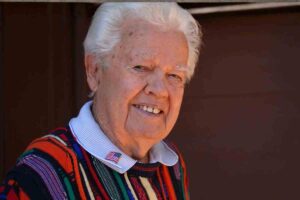

Lorraine Carlson Garavalia is widely recognized for her contributions to pharmacy education and academic research. Over the years, she has helped pharmacy schools improve how students learn, how faculty teach, and how academic programs measure success.
Her work combines ideas from educational psychology with professional healthcare training. Instead of focusing on clinical pharmacy practice alone, she explored how teaching methods, curriculum design, and student assessments can shape the next generation of pharmacists.
Throughout her career, Lorraine Carlson Garavalia held leadership roles at major institutions and worked on research that changed how pharmacy programs evaluate learning outcomes. Her studies on active learning, flipped classrooms, and curriculum assessment continue to influence pharmacy education across the United States.
Today, her contributions are often discussed when educators talk about improving teaching quality in PharmD programs and strengthening academic standards in pharmacy schools.
Quick Profile of Lorraine Carlson Garavalia
| Detail | Information |
|---|---|
| Full Name | Lorraine Carlson Garavalia |
| Professional Title | Pharmacy Education Researcher |
| Academic Field | Educational Psychology & Pharmacy Education |
| Known For | Curriculum assessment and teaching innovation |
| Doctorate | Educational Psychology |
| PhD University | University of South Carolina |
| Key Institutions | University of Missouri–Kansas City, Western University of Health Sciences |
| Major Roles | Professor, Associate Dean for Academic Affairs |
| Research Focus | Educational assessment, active learning, curriculum design |
| Publications | 75+ academic papers |
| Academic Citations | 1,300+ citations |
| Current Role | Independent education consultant |
This overview highlights the academic background and professional focus of Lorraine Carlson Garavalia. Her work sits at the intersection of learning science and healthcare education, helping pharmacy schools adopt better teaching practices.
Early Life and Educational Background
Academic Interests in Psychology and Education
From early in her academic journey, Lorraine Carlson Garavalia developed a strong interest in how people learn. Instead of focusing only on subject knowledge, she explored the science behind learning, motivation, and educational outcomes.
Educational psychology became the foundation of her work. This field studies how students understand information, how teaching methods affect learning, and how educators can measure whether knowledge is truly absorbed.
These ideas later shaped her approach to pharmacy education. Rather than relying on traditional lecture-based instruction, she supported teaching methods that encourage active participation and deeper understanding.
Doctoral Studies
Lorraine Carlson Garavalia completed her doctoral studies in Educational Psychology at the University of South Carolina. During her PhD program, she focused on learning assessment and research methods.
Her doctoral training introduced her to important topics such as:
- educational measurement
- psychometrics
- research design
- student learning evaluation
This expertise allowed her to examine how professional education programs measure learning outcomes. The skills she gained during her doctoral studies later became central to her work in pharmacy schools.
Instead of focusing only on classroom teaching, she explored how institutions could design entire academic systems that support student success.
Career Journey in Pharmacy Education
The professional path of Lorraine Carlson Garavalia shows how educational research can shape an entire academic field. By combining psychology with healthcare training, she helped pharmacy schools rethink how students are taught and evaluated.
Early Academic Career
In the early stages of her career, Garavalia worked on research related to educational measurement and health outcomes. Over time, she became increasingly involved in pharmacy education.
Her transition into this field was natural. Pharmacy programs require complex learning environments where students must combine scientific knowledge with clinical decision-making. Educational psychology provided useful tools for understanding how students develop these skills.
As a result, her research began focusing on teaching methods, curriculum design, and program evaluation within pharmacy schools.
Role at the University of Missouri–Kansas City
One of the most important stages of her career took place at the University of Missouri–Kansas City School of Pharmacy.
Here, Lorraine Carlson Garavalia served as Professor and Associate Dean for Academic Affairs. In this role, she worked closely with faculty members to improve teaching strategies and academic programs.
Her responsibilities included:
- overseeing curriculum development
- evaluating student learning outcomes
- supporting faculty teaching improvement
- maintaining strong academic standards
These responsibilities required both leadership and research expertise. By analyzing data on student performance, she helped faculty understand how different teaching methods influenced learning.
Leadership in Assessment Programs
Another key part of her work involved developing systems to evaluate student learning.
Garavalia helped design assessment frameworks that allowed pharmacy schools to measure how well students understood core concepts and professional skills. These systems often included:
- exam analysis
- competency evaluation
- program assessment reports
She also worked with faculty members to interpret assessment results and adjust their courses accordingly. This approach helped create a culture of continuous improvement within pharmacy education programs.
Leadership at Western University of Health Sciences
Later in her career, Lorraine Carlson Garavalia joined the Western University of Health Sciences College of Pharmacy in California.
At this institution, she served as Professor and Associate Dean for Assessment. Her role focused on strengthening academic evaluation systems and ensuring that the pharmacy program met high educational standards.
Her work included:
- program evaluation and accreditation support
- curriculum improvement initiatives
- student learning outcome analysis
- faculty development programs
Accreditation is a critical process for pharmacy schools because it ensures that programs meet national education standards. Garavalia’s expertise in educational assessment made her particularly valuable in this area.
She helped design evaluation processes that allowed institutions to demonstrate the quality and effectiveness of their pharmacy programs.
Major Research Contributions
Research has always been central to the work of Lorraine Carlson Garavalia. Her studies explore how teaching strategies influence student learning and how academic programs can measure success effectively.
Active Learning in Pharmacy Education
Traditional university courses often rely on lectures, where students passively listen to instructors.
Garavalia supported a different approach called active learning. In this model, students participate directly in the learning process through:
- group discussions
- problem-solving exercises
- case studies
- classroom debates
Active learning encourages students to apply knowledge rather than memorize information. Research has shown that this approach often improves understanding and long-term retention.
Her work helped pharmacy educators explore how these strategies could be integrated into professional training programs.
Flipped Classroom Teaching Models
Another teaching strategy associated with Lorraine Carlson Garavalia’s research is the flipped classroom.
In a flipped classroom model:
- Students review lectures or learning materials before class.
- Classroom time is used for discussion and practical activities.
- Instructors guide problem-solving rather than delivering long lectures.
This approach changes the role of the classroom. Instead of simply delivering information, instructors help students apply knowledge to real-world situations.
Research on flipped classrooms in pharmacy education found that many students improved their exam performance and engagement when these methods were used.
Curriculum Assessment in Pharmacy Schools
Beyond teaching strategies, Garavalia also studied how pharmacy schools evaluate their academic programs.
Curriculum assessment focuses on answering questions such as:
- Are students mastering essential skills?
- Are courses aligned with professional standards?
- Are teaching methods effective?
Her research helped institutions create structured assessment systems that track student learning across an entire degree program.
These systems allow universities to identify strengths and weaknesses in their curriculum and make improvements when necessary.
Research on Pharmacokinetics Education
Pharmacokinetics is one of the most complex subjects in pharmacy education. It focuses on how drugs move through the body, including processes such as absorption, distribution, metabolism, and elimination.
Many pharmacy students find pharmacokinetics difficult because it combines mathematics, chemistry, and biology.
Lorraine Carlson Garavalia participated in research that redesigned pharmacokinetics courses using active learning strategies. Instead of relying only on lectures, these courses included:
- interactive problem-solving exercises
- case-based learning activities
- collaborative group work
Studies showed that students often performed better on exams and developed a deeper understanding of pharmacokinetic concepts after these course redesigns.
This research demonstrated that teaching methods can significantly influence learning outcomes in complex scientific subjects.
Work on Pharmacy Curriculum Outcomes Assessment (PCOA)
One of the important tools used in pharmacy education is the Pharmacy Curriculum Outcomes Assessment, commonly known as PCOA.
The PCOA is a standardized exam used by many pharmacy schools to measure student knowledge across major subject areas. It helps institutions evaluate whether students are progressing appropriately through the curriculum.
Lorraine Carlson Garavalia studied how schools interpret PCOA results and use them to improve academic programs.
Her work helped educators understand:
- how to analyze assessment data
- how to identify curriculum gaps
- how to adjust teaching strategies based on results
This research supports evidence-based decision-making in pharmacy education.
Early Clinical Research Contributions
Before focusing fully on educational research, Lorraine Carlson Garavalia also contributed to studies related to patient care.
Some of her early research examined medication adherence among patients with cardiovascular conditions. These studies explored why some patients stop taking prescribed medications and how this behavior affects recovery.
Understanding medication adherence is important because many treatments require patients to follow long-term medication plans.
By examining patient behavior and treatment outcomes, these early studies provided valuable insights for healthcare providers and researchers.
Teaching Philosophy and Mentorship
Beyond research and leadership roles, Garavalia was known as a dedicated educator.
Her teaching philosophy focused on student-centered learning. Instead of focusing only on lectures, she encouraged teaching strategies that involve students directly in the learning process.
These strategies often included:
- interactive discussions
- real-world case studies
- collaborative learning activities
She also mentored faculty members and helped them design courses that promote deeper understanding rather than simple memorization.
Many educators who worked with her adopted these approaches in their own classrooms.
Academic Publications and Research Impact
The research contributions of Lorraine Carlson Garavalia are widely recognized in academic literature.
Her work includes more than 75 peer-reviewed publications, covering topics such as:
- pharmacy education research
- curriculum assessment
- teaching innovation
- student learning evaluation
These studies have been cited over 1,300 times, demonstrating their influence within the academic community.
Her research often involves collaboration with scholars from multiple disciplines, including pharmacy practice, medical education, and psychology.
Through these collaborations, she helped connect educational research with real-world healthcare training.
Professional Organizations and Academic Influence
Throughout her career, Garavalia has been connected with professional groups focused on improving pharmacy education.
These organizations bring together educators, researchers, and healthcare professionals who share ideas about teaching methods and academic standards.
Participation in these networks allows educators to:
- share research findings
- develop educational guidelines
- improve training programs for future pharmacists
Through these collaborations, Garavalia contributed to broader conversations about the future of pharmacy education.
Career Timeline
| Year | Career Milestone |
|---|---|
| Early Career | Research in health outcomes |
| 2000s | Leadership in pharmacy education research |
| 2009–2015 | Associate Dean at UMKC School of Pharmacy |
| 2015 | Joined Western University of Health Sciences |
| 2015–2020s | Led program assessment initiatives |
| 2026 | Independent consultant |
This timeline highlights the major stages of her academic and professional journey.
Current Work and Consulting Role
After many years in academic leadership roles, Lorraine Carlson Garavalia stepped away from full-time university positions.
However, she continues to contribute to pharmacy education as an independent consultant.
Consultants in this field often help universities with:
- curriculum evaluation
- accreditation preparation
- program assessment strategies
- faculty development initiatives
Her experience in educational assessment makes her a valuable advisor for institutions seeking to strengthen their academic programs.
Legacy in Pharmacy Education
The legacy of Lorraine Carlson Garavalia lies in her ability to connect educational research with real-world teaching practice.
Her work helped pharmacy schools adopt modern teaching strategies and evidence-based assessment methods.
These contributions have influenced how pharmacy educators think about learning, teaching, and curriculum design.
By encouraging active learning and data-driven program evaluation, she helped create stronger academic environments for future pharmacists.
Why Lorraine Carlson Garavalia’s Work Still Matters
Pharmacy education continues to evolve as healthcare becomes more complex.
The research and leadership of Lorraine Carlson Garavalia remain relevant because they address fundamental questions about how professionals learn.
Her work has helped educators:
- design more engaging classroom experiences
- measure learning outcomes more effectively
- continuously improve pharmacy programs
These improvements ultimately benefit both students and patients by strengthening the training of healthcare professionals.
Conclusion
Lorraine Carlson Garavalia has played an important role in shaping modern pharmacy education. Through her research, leadership, and teaching, she helped universities develop better ways to train future pharmacists.
Her work in curriculum assessment, active learning, and educational evaluation continues to influence pharmacy programs across the country.
Although she has moved into consulting roles later in her career, her research and ideas remain widely used by educators who aim to improve academic quality in healthcare education.
FAQs About Lorraine Carlson Garavalia
Who is Lorraine Carlson Garavalia?
Lorraine Carlson Garavalia is a researcher and educator known for her work in pharmacy education and curriculum assessment. She has held leadership roles at major universities and conducted research on teaching methods, student learning outcomes, and academic program evaluation. Her studies have influenced how pharmacy schools design courses and measure student success.
What is Lorraine Carlson Garavalia known for?
She is best known for her research on educational assessment, active learning strategies, and pharmacy curriculum design. Her work explores how teaching methods affect student learning and how institutions can evaluate academic programs effectively. These contributions have helped pharmacy educators adopt modern teaching practices.
Where did Lorraine Carlson Garavalia teach?
Lorraine Carlson Garavalia taught at several universities during her career, including the University of Missouri–Kansas City and Western University of Health Sciences. At these institutions, she served in roles such as professor and associate dean, focusing on academic leadership and curriculum evaluation.
What research areas did Lorraine Carlson Garavalia focus on?
Her research focuses on pharmacy education, curriculum assessment, and teaching innovation. She studied topics such as active learning, flipped classrooms, pharmacokinetics education, and standardized assessment methods used in pharmacy programs.
How many publications does Lorraine Carlson Garavalia have?
Lorraine Carlson Garavalia has authored or co-authored more than 75 academic publications. These research papers explore topics related to pharmacy education, student learning evaluation, and instructional design. Her work has received over 1,300 citations in academic literature.
What is the Pharmacy Curriculum Outcomes Assessment (PCOA)?
The Pharmacy Curriculum Outcomes Assessment, often called PCOA, is a standardized exam used by pharmacy schools to evaluate student knowledge across the curriculum. It helps educators measure learning outcomes and identify areas where academic programs can improve.
Is Lorraine Carlson Garavalia still active in academia?
Although she has stepped away from full-time faculty positions, Lorraine Carlson Garavalia continues contributing to pharmacy education as a consultant. In this role, she helps universities evaluate curricula, improve assessment systems, and strengthen academic programs.
How did Lorraine Carlson Garavalia influence pharmacy education?
Her research helped introduce modern teaching strategies such as active learning and flipped classrooms into pharmacy education. She also helped schools develop better systems for evaluating student learning and program effectiveness, which has improved academic standards across many pharmacy programs.