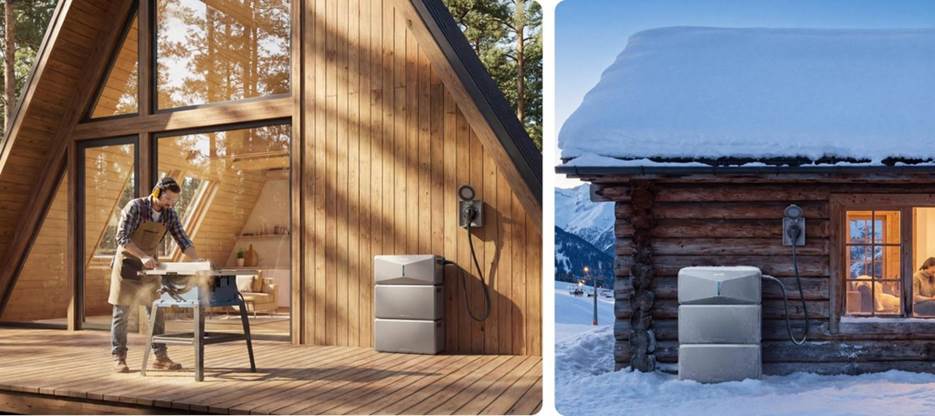

Whole house generators no longer need to be loud, fuel-hungry machines that run dirty and waste energy. New eco-friendly designs cut emissions, reduce noise, and work smarter with your home’s energy needs. Systems like the Anker SOLIX E10 Whole-Home Backup System unite battery storage, rooftop solar, and a smart generator so homeowners can rely less on fossil fuels.
These innovations use clean energy first, then add efficient backup only when needed. Smart controls, quieter engines, and better cooling also reduce the impact on neighbors and the grid, while still keeping lights, fridges, and essential devices running during outages.
Clean Energy Integration with Solar and Battery Systems
Modern whole house generators now link directly with rooftop solar and home battery systems. This integration lets homes draw clean power first, then use generators only as efficient backup support.
Solar Power as a Zero-Emission Energy Source
Solar panels give whole house generator systems a truly zero-emission power source during the day. When the sun shines, the system can run critical loads without burning any fuel at all. Solar inverters convert DC power from panels into AC power for the home, and smart controllers decide whether to supply loads directly or charge batteries.
This setup reduces run time on gas or propane units and lowers overall carbon footprints. By harvesting free sunlight, homeowners cut fuel costs while keeping dependable backup. Systems that combine solar and generators also stay flexible in cloudy weather or long outages.
Battery Storage Systems for Cleaner Backup Power
Battery storage makes whole house backup much cleaner and more efficient. Instead of running a fuel generator nonstop, the system can charge batteries when needed, then shut the engine off. During quiet periods or at night, the home draws power from stored energy, which produces zero onsite emissions.
The Anker SOLIX E10 Whole-Home Backup System shows this approach by uniting battery storage with solar and a smart generator in one integrated solution. Batteries also respond instantly to power loss, avoiding delays or flickers. They handle short outages alone, while the generator steps in only for long emergencies.
Hybrid Generator Technology Reducing Fuel Dependence
Hybrid whole house systems combine batteries and fuel-based generators in one coordinated setup. This design cuts total fuel use, improves reliability, and lets clean electricity handle most routine backup needs.
Combining Battery and Fuel Systems for Efficiency
Hybrid generator technology uses both battery storage and a fuel engine to cover different power needs efficiently. The system lets batteries handle small or moderate loads, which prevents the generator from idling at low efficiency. When demand spikes, the generator starts, supports the load, and charges the batteries at an optimal rate.
Smart inverters and controllers balance when to use each source. This approach lowers wear on the engine, reduces maintenance, and keeps the generator running only when it can operate efficiently. Homeowners get reliable backup without the waste and constant noise of a traditional, fuel-only system.
Reduced Runtime and Lower Emissions Through Hybrid Use
Hybrid use focuses on cutting generator runtime, which directly lowers emissions and fuel consumption. Batteries carry the load during low-demand periods, so the engine can shut down completely. When it runs, it does so for shorter, more productive intervals, usually at a more efficient load level.
This pattern reduces incomplete combustion and lowers pollutants like carbon monoxide and nitrogen oxides. It also saves fuel over the generator’s lifetime. In many homes, the combination of solar, battery, and a smart generator means the engine may only run during extended grid failures, keeping the environmental footprint much smaller.
Smart Energy Management and Efficiency Optimization
Smart energy management tools now monitor, predict, and control how backup systems run. These tools cut waste, prioritize critical circuits, and keep the entire setup operating at peak efficiency.
Load-Sensing Technology for Reduced Energy Waste
Load-sensing technology measures how much power your home actually uses in real time. Instead of running a generator at a fixed level, the system adjusts output or switches to batteries as loads change. When it detects low demand, it can power down the engine and let stored energy take over.
During peak demand, it ramps up power or starts the generator only when needed. This reduces wasted fuel from oversized or continuously running units. It also helps prevent overloads that can trip breakers. Smart load management keeps backup systems right-sized, efficient, and responsive to real household behavior.
Intelligent Monitoring and Automated Power Control
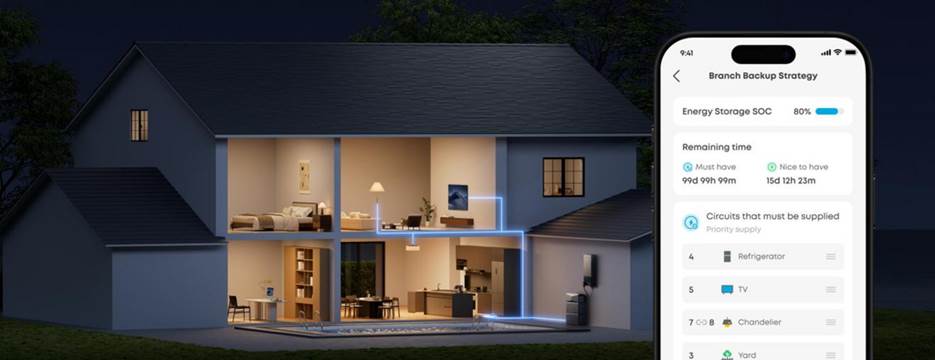
Intelligent monitoring uses sensors, connected apps, and onboard software to track performance and automate decisions. The system watches battery levels, solar production, fuel status, and household loads. Based on preset rules, it can decide when to charge batteries, when to start the generator, and which circuits to prioritize.
Homeowners can see real-time data on phones or dashboards and adjust preferences easily. Some systems also integrate with time-of-use tariffs, shifting usage to cheaper or cleaner hours. Automated power control reduces human error, prevents unnecessary runtime, and keeps the backup system operating efficiently even when nobody actively manages it.
Noise Reduction and Environmental Impact Improvements
Eco-friendly whole house generators also tackle noise and local pollution. Advances in mufflers, enclosures, and cooling design aim to reduce disturbance while limiting harmful exhaust around homes.
Quiet Operation with Advanced Cooling and Design
Quiet operation has become a key goal in modern whole house generator design. Manufacturers use better sound-insulated enclosures, improved mufflers, and vibration-damping mounts to cut noise levels. Advanced cooling systems let engines run at optimal temperatures without loud fans or constant high-speed operation.
Some hybrid systems run silently on battery power for long periods, only starting the generator when necessary. This makes nighttime operation more acceptable in dense neighborhoods. Quieter machines also encourage more practical placement options around the property. Overall, well-designed cooling and acoustic engineering help backup systems blend into the background of daily life.
Reduced Air and Noise Pollution in Residential Areas
Reduced air and noise pollution benefits both homeowners and neighbors. Hybrid and solar-integrated systems burn less fuel and emit fewer pollutants, such as particulate matter and hydrocarbons. Shorter, more efficient run cycles lessen the impact on local air quality.
Lower noise output, or completely silent battery operation, means less disturbance during early mornings, nights, or long outages. Communities with many backup systems gain the most, as combined emissions and noise levels stay lower. Cleaner operation also aligns better with stricter local regulations. As more homes adopt eco-friendly generators, residential areas can maintain comfort without sacrificing environmental quality.
Conclusion
Eco-friendly whole house generators now rely on smart design, not just bigger engines. Solar integration, battery storage, and hybrid operation let systems like the Anker SOLIX E10 Whole-Home Backup System cut fuel use and emissions. Load-sensing controls and intelligent monitoring reduce waste and keep backup power available when it truly matters.
Noise-reducing enclosures and cleaner operation also protect neighborhood comfort and air quality. Homeowners gain resilience against outages while spending less on fuel and maintenance. These innovations prove that reliable whole home backup can support modern living and still respect the environment and community around each property.