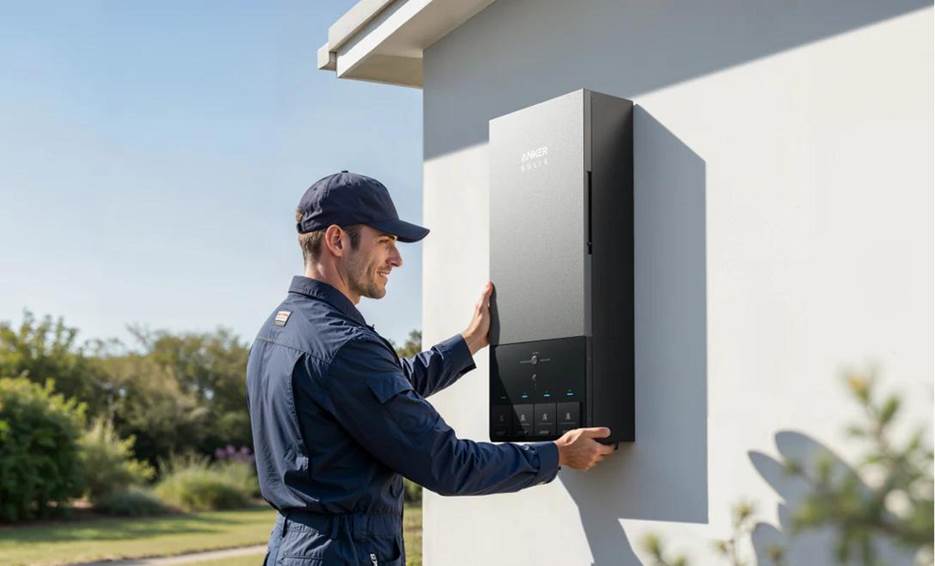

Whole home battery backup systems give your house its own reliable power source when the grid fails or energy prices spike. Instead of relying only on the utility, you store electricity and decide when to use it. This guide walks through how these systems work, what they cost, and how to choose the right setup for your home. You will see how batteries compare to generators, what solar + storage can do, and which features actually matter.
By the end, you will know how to size a system, what to ask installers, and how to plan for future needs. Use this as a practical roadmap to more reliable power, lower bills, and greater control over your energy.
Benefits of Home Battery Backup
Backup During Outages
During an outage, a wholebackup battery home system becomes your quiet, automatic generator. When the grid fails, the system’s transfer switch isolates your home and shifts selected circuits to battery power in a fraction of a second. You can keep refrigerators, lights, Wi‑Fi, security systems, and key outlets running without refueling or starting an engine.
Many modern batteries provide several hours to multiple days of backup, depending on capacity and how much you run. Unlike portable generators, there are no extension cords, fumes, or noise. Everything works through your existing wiring. For areas with storms, wildfires, or grid instability, this seamless backup is a major advantage.
Energy Savings and Independence
Home battery backup systems can also cut energy costs and increase independence from the grid. With time‑of‑use pricing, your battery charges when electricity is cheap and discharges when prices spike. You pay less without changing daily routines. If you have solar, the battery stores extra daytime production and supplies it later, increasing your self‑consumption and reducing exports at low rates.
Some utilities offer demand response or virtual power plant programs, paying you to let them use a small share of your stored energy during peak events. Over time, these savings and incentives can offset part of the system cost, while you rely less on external power and more on energy you control.
Types of Backup Power Systems
Battery vs Generator
Battery backup systems and generators both keep your home running, but they do it in very different ways. Batteries store electricity and deliver it instantly, with no noise, fumes, or moving parts. They require little maintenance and pair easily with solar and smart controls. The downside is higher upfront cost per kilowatt‑hour of backup and finite stored energy.
Generators, especially standby models, can power large loads for long periods as long as they have fuel. However, they are noisy, require regular service, emit exhaust, and may face fuel shortages during long emergencies. Many homeowners now prefer batteries for everyday resilience, sometimes keeping a small generator as a secondary option.
Solar + Battery Systems
A solar + battery system combines rooftop solar panels with a home battery to create a more independent energy setup. Solar produces electricity during the day, and any excess charges the battery instead of going back to the grid at low rates. Later, the battery powers your home when the sun sets, rates rise, or the grid fails.
During outages, solar can continue to charge the battery if you use an inverter designed for backup operation. This setup reduces your reliance on the utility and protects you from price changes. Many regions also offer incentives for both solar and storage, making a combined system one of the most cost‑effective ways to gain backup power and long‑term savings.
How to Choose the Right System
Power Needs and Capacity
Accurate sizing is the backbone of a successful home battery system. Start by listing must‑have loads: fridge, modem/router, key lights, fans, garage door, medical equipment, and any vital pumps. Your installer can place these on a dedicated backup subpanel. Next, check your utility bills for average daily usage in kilowatt‑hours (kWh).
During an outage, you probably need only a fraction of that. Many households target 10–30 kWh of storage for partial backup, while whole‑home coverage with large HVAC loads may require more. Also consider power (kW), not only energy. High‑draw appliances like ovens or electric dryers can quickly strain smaller systems. Deciding what to run and for how long lets you pick a capacity that protects comfort without overspending.
Smart Features and Scalability
Modern home battery systems offer smart features that improve both savings and reliability. Look for intuitive apps that show real‑time flows: solar production, battery charge, grid imports, and home usage. Time‑of‑use optimization lets the system charge when rates are low and discharge when rates spike. Backup priority settings decide which loads stay on longest during an outage.
Some platforms integrate with thermostats, EV chargers, and even whole‑home energy monitors, giving you more control.Scalability is also key. Many systems allow you to stack multiple battery units or add them later as needs grow. Check how easily you can expand capacity, add solar, or integrate with a future EV charger. A flexible, well‑supported ecosystem helps ensure your investment stays useful as your home and technology evolve.

Conclusion
Whole home battery backup systems turn your house into a more resilient, efficient, and independent energy hub. They keep essentials running when the grid fails, cut bills through smart time‑of‑use shifting, and work seamlessly with solar to increase self‑consumption. Unlike generators, they run quietly, require little upkeep, and avoid fuel worries.The key steps are clear: define which loads matter most, understand your typical usage, compare battery and generator options, and choose equipment that can expand with future needs like EVs or additional solar.
Work with a qualified installer who can explain system behaviour, model outage performance, and navigate the permitting and incentive process.With the right design and support, a whole home battery backup system becomes more than just insurance. It is a long‑term upgrade that delivers comfort, control, and meaningful protection against rising costs and grid instability.